
5s
+1
Submission successful!
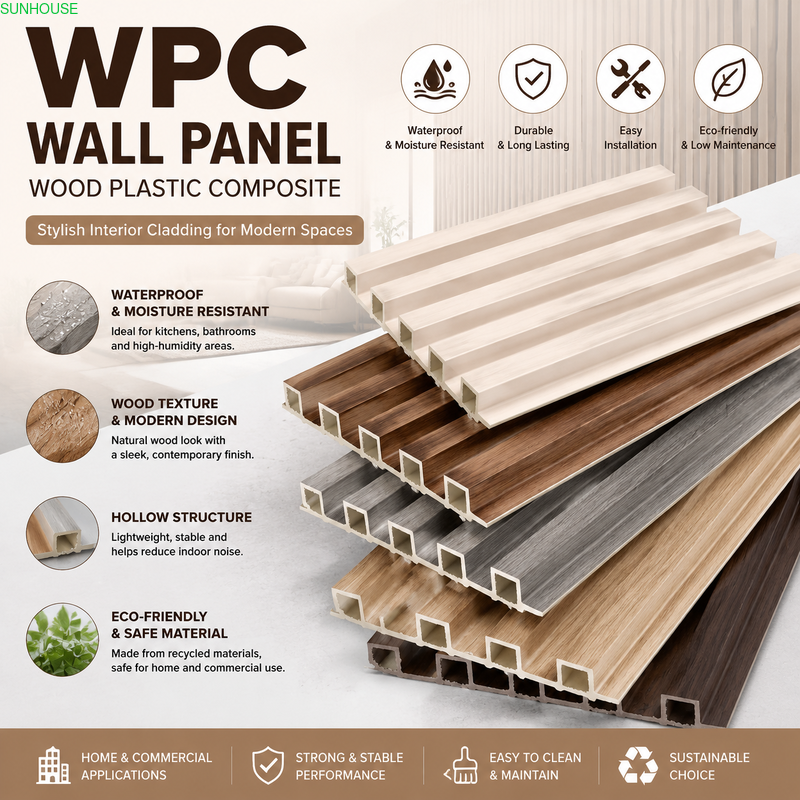
|
| Наименование марки: | SUNHOUSE |
| Номер модели: | WPC-08 |
| МОК: | 200㎡ |
| Условия оплаты: | Т/Т |
Внутренние стеновые панели из ДПК от разных поставщиков могут выглядеть похоже на фотографиях, но их состав, толщина стенки, структурная прочность, отделка поверхности и стабильность размеров могут значительно отличаться. Для дистрибьюторов, подрядчиков и покупателей проектов оценка этих деталей перед оптовой закупкой помогает снизить риск деформации, отслаивания поверхности, различий в цвете и проблем при монтаже.
Надежная оценка качества должна фокусироваться на полной структуре панели и фактической производственной однородности, а не только на сравнении цены или веса продукта.
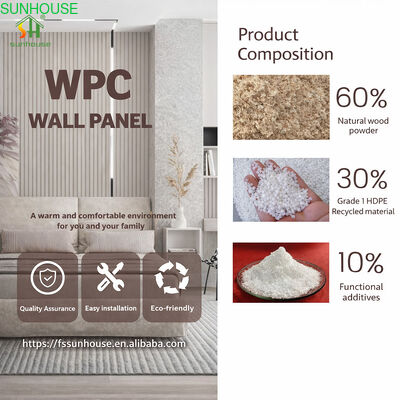
Стеновые панели из ДПК обычно изготавливаются из смеси термопластичной смолы, древесного порошка, карбоната кальция и функциональных добавок. Качество и пропорции этих материалов напрямую влияют на прочность панели, гибкость, запах, качество поверхности и долгосрочную стабильность размеров.
Большинство декоративных рифленых стеновых панелей из ДПК имеют полый сердечник для баланса прочности, веса и стоимости. Покупатели должны проверять толщину наружных стенок, внутренних ребер, краев замка и пазов. Тонкие или неравномерные участки могут треснуть при монтаже или деформироваться при транспортировке.
Проверьте, имеют ли передняя, задняя и боковые стенки равномерную толщину. Чрезмерно тонкие наружные стенки могут снизить ударопрочность и способность удерживать шурупы.
Усиливающие ребра должны быть прямыми, равномерно распределенными и прочно соединенными с наружными стенками без явных зазоров или обрушенных участков.
Шип-паз или защелкивающееся соединение не должны легко ломаться при соединении, разъединении или легком изгибе панелей вручную.
Вырежьте образцы из разных производственных позиций и сравните структуру сердечника на наличие пустот, неравномерного экструдирования, загрязнений или неправильной формы ячеек.
Вес панели полезен для проверки производственной однородности, но его не следует использовать в качестве единственного стандарта качества. Покупатели должны сравнивать продукты с одинаковыми размерами, профилем и отделкой поверхности. Стабильный вес нескольких образцов часто важнее максимально возможного веса.
| Пункт проверки | Что проверять | Возможный риск качества |
|---|---|---|
| Вес одной панели | Сравните панели из одной производственной партии | Большие различия могут указывать на нестабильное экструдирование или подачу материала |
| Вес против прочности | Проверьте изгиб и ударопрочность вместе с весом | Тяжелая панель может быть хрупкой, если содержит избыток минерального наполнителя |
| Размеры профиля | Подтвердите ширину, толщину, длину и эффективную площадь покрытия | Различия в размерах могут повлиять на количество материала для проекта и выравнивание при монтаже |
| Однородность партии | Измерьте несколько панелей из разных коробок | Неоднородный вес может привести к неравномерной прочности и качеству монтажа |
Отделка поверхности влияет как на внешний вид, так и на срок службы внутренних стеновых панелей из ДПК. Распространенные виды отделки включают ламинирование ПВХ-пленкой, горячее тиснение, декоративную обтяжку и соэкструдированные поверхности. Покупатели должны подтвердить точную отделку, поскольку продукты с похожими древесными узорами могут иметь разную устойчивость к царапинам и адгезию.
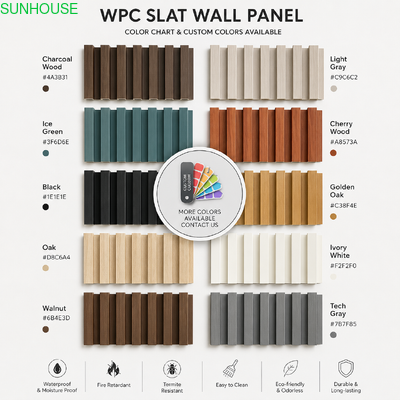
Различия в цвете являются одной из наиболее распространенных проблем при крупных заказах стеновых панелей из ДПК. Различия могут возникать из-за партий декоративной пленки, условий печати, цвета сырья, настроек температуры или дат производства. Панели, установленные на одной стене, обычно должны поступать из одной подтвержденной производственной партии.
| Пункт контроля | Рекомендуемое требование покупателя |
|---|---|
| Утвержденный образец цвета | Подпишите или пометьте окончательный образец кодом цвета, отделкой и датой утверждения |
| Условия освещения | Сравнивайте цвета при естественном дневном свете и предполагаемом освещении проекта |
| Производственная партия | Запросите одну производственную партию для панелей, используемых в одной зоне монтажа |
| Направление древесного узора | Подтвердите, должны ли панели упаковываться в одной ориентации древесного узора |
| Количество для замены | Закажите дополнительные панели из той же партии для будущего ремонта или замены |
Панели из ДПК должны оставаться достаточно прямыми при хранении на ровной поверхности. Сильное коробление, скручивание или деформация краев могут затруднить выравнивание стыков панелей и создать видимые зазоры после монтажа.
Панель может иметь привлекательную поверхность, но все равно вызывать проблемы при монтаже, если ее структура шип-паз слишком свободна, слишком тугая или легко ломается. Покупатели должны собрать несколько панелей перед утверждением образца.
Соединенные панели должны образовывать прямые и ровные декоративные пазы без видимых различий в высоте между соседними панелями.
Стык должен держаться прочно, но не требовать чрезмерного усилия, которое может привести к растрескиванию края замка при монтаже.
Подтвердите, монтируется ли панель с помощью клея, гвоздей, шурупов, клипс, деревянных реек или металлического каркаса.
Проверьте наличие и соответствие цвета стартовых планок, торцевых планок, угловых планок и соединительных аксессуаров.
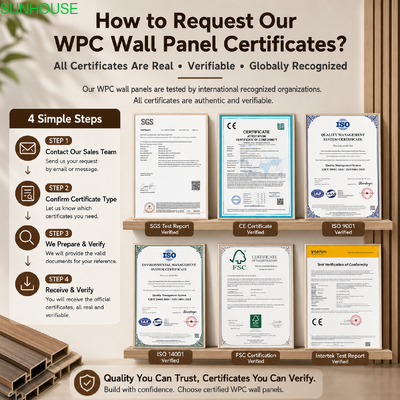
Внутренние декоративные материалы могут подпадать под требования по экологичности, огнестойкости или ограничению химических веществ в зависимости от рынка назначения и типа проекта. Покупатели должны запрашивать документы, соответствующие фактической формуле продукта и отделке поверхности, которые заказываются.
| Параметр | Информация для подтверждения |
|---|---|
| Материал | Древесно-полимерный композит (ДПК) и согласованная производственная формула |
| Профиль панели | Рифленый дизайн, полая структура и утвержденный чертеж поперечного сечения |
| Общий размер | Ширина × толщина × длина |
| Эффективная площадь покрытия | Фактическая видимая или установленная ширина покрытия после соединения панелей |
| Вес панели | Согласованный номинальный вес и допустимое производственное отклонение |
| Отделка поверхности | ПВХ-пленка, горячее тиснение, обтяжка, соэкструзия или другая подтвержденная отделка |
| Эталон цвета | Утвержденный физический образец и код цвета поставщика |
| Система монтажа | Клей, гвозди, шурупы, клипсы, рейки или каркасная система |
| Аксессуары | Стартовая планка, торцевая планка, внутренний угол и внешний угол |
| Упаковка | Штук в коробке, защитная пленка, защита углов и требования к поддонам |
| Стандарт инспекции | Утвержденный образец, допустимые отклонения и классификация дефектов |
Возможные причины включают хрупкое сырье, избыток минерального наполнителя, тонкие края замка, низкую температуру монтажа или чрезмерное усилие при соединении.
Отслаивание может быть вызвано низким качеством клея, недостаточной подготовкой поверхности, слабым контролем ламинирования или чрезмерным натяжением пленки вокруг глубоких профилей.
Панели могут поступать из разных партий декоративной пленки или производственных партий. Контроль партий и утвержденные физические образцы необходимы для крупных проектов.
Не обязательно. Толщина должна оцениваться вместе со структурой стенки, формулой материала, весом панели, дизайном ребер и требованиями к монтажу.
Образцы рекомендуются, но покупатели должны запрашивать точный производственный профиль и отделку поверхности. Небольшой декоративный образец сам по себе может не отражать структурное качество полной панели.
Мы поставляем рифленые внутренние стеновые панели из ДПК для дистрибьюторов, оптовиков, подрядчиков и коммерческих проектов. Для оптовых заказов доступны индивидуальные размеры, цвета, отделка под дерево, упаковка и соответствующие монтажные аксессуары.
Свяжитесь с нами с вашим требуемым профилем панели, размерами, цветом, количеством и рынком назначения для получения образцов, технической информации и оптовых цен.


 english
 français
 Deutsch
 Italiano
 Русский
 Español
 português
 Nederlandse
 ελληνικά
 日本語
日本語
 한국
한국
 العربية
 हिन्दी
 Türkçe
 indonesia
 tiếng Việt
 ไทย
ไทย
 বাংলা
বাংলা
 فارسی
فارسی
 polski